Tag: Gift Packaging

The Warmth Within Wrapping Paper: On the Emotional Value Conveyed Through Gift Packaging

The Warmth Within Wrapping Paper: On the Emotional Value Conveyed Through Gift Packaging

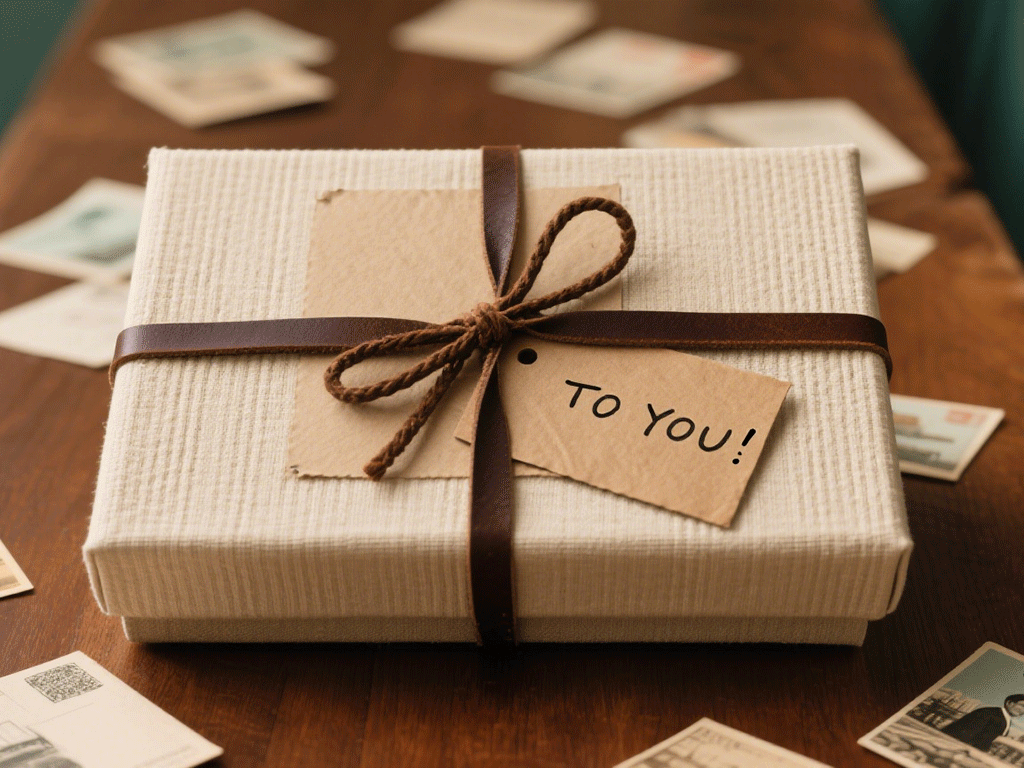
Gift packaging is fundamentally different from ordinary product packaging. The moment a ribbon is tied into its first bow atop a gift box, a ritual begins—one that transcends material exchange and enters the realm of emotion. As a “second language” of sentiment, gift packaging conveys up to 60% of its emotional value even before the unwrapping begins, using a harmonious trio of color, texture, and form. Today, the GiftsGoGo team explores the emotional value of gift wrapping from three key perspectives:

1. Visual Emotion

In the psychology of gifting, the “primacy effect” is particularly evident. Matte gold foil paper exudes a sense of understated luxury—perfect for expressing sincere gratitude—while hand-drawn kraft paper carries a warm, homely charm, often chosen for close friends. According to a 2024 survey by the Japan Packaging Institute, 87% of gift recipients form a value judgment based on the wrapping alone. Notably, pink-toned packaging received emotional ratings 32% higher than those in cooler tones.

2. Tactile Affection

Danish designer Mette once said, “When fingertips touch a plush satin ribbon, the brain is already releasing dopamine.” A velvety matte texture heightens the anticipation of unwrapping, and a three-dimensional bow prolongs the moment of joy. Data from an e-commerce platform shows that textured wrapping increases the likelihood of sharing a gift online by four times. Such tactile memories can last for up to three months.

3. Temporal and Spatial Emotion

A grandmother’s candied fruit wrapped lovingly in newspaper often moves the heart more than a standard gift box from a boutique. The time invested in the wrapping process transforms into emotional density. This explains why handcrafted packaging commands a 146% premium in the digital age, according to the 2025 White Paper on Emotional Consumption. Those who carefully preserve wrapping paper are, in essence, collecting moments of heartfelt effort.

When we place a gift into a beautifully crafted box cushioned with raffia, we’re quietly saying: “You are worth twenty minutes of my life.” Measuring love through time—this ritual, perhaps, is the most precious emotional value embedded in the art of gift packaging.
GiftsGoGo Presents: An Analysis of Raffia Grass Types and Value in Gift Packaging

GiftsGoGo Presents: An Analysis of Raffia Grass Types and Value in Gift Packaging

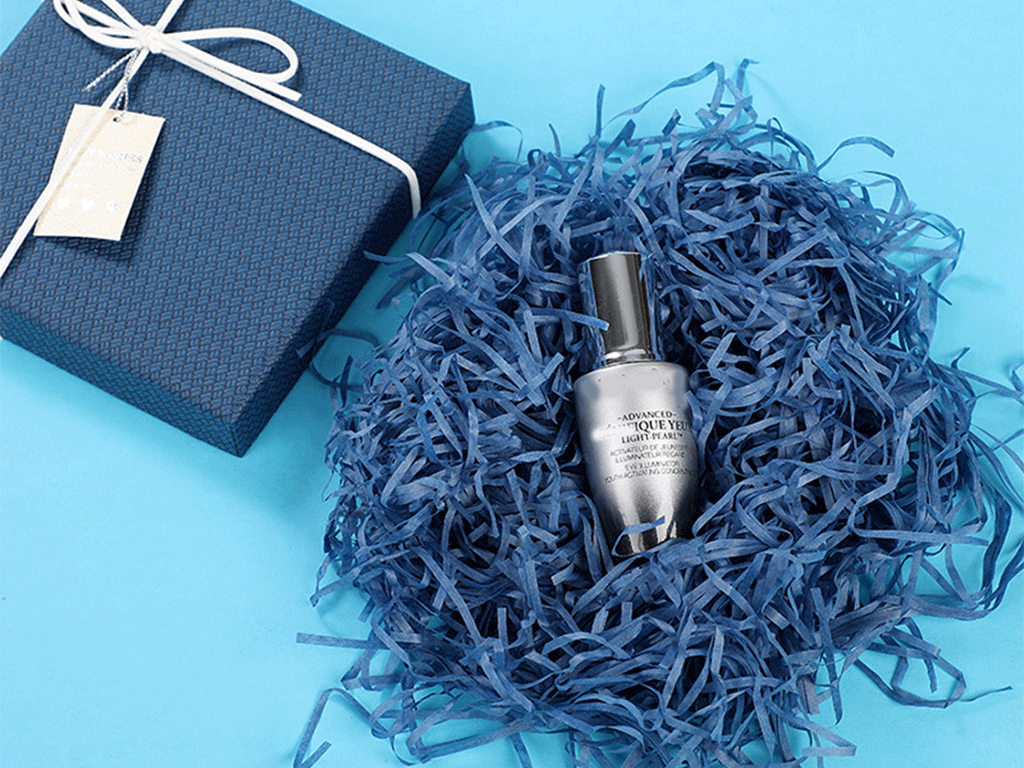
The raffia grass used inside gift boxes holds significant meaning for the overall gift presentation. While many individual users may not have direct access to raffia producers due to limited usage, for gift sellers, raffia procurement is an essential part of the supply chain. A basic understanding of gift-use raffia is therefore indispensable. Today, we delve into the origins, value, and functions of raffia grass.

Raffia grass, originating from Madagascar, is a perennial plant from the palm family. Its leaf fibers are naturally resilient and highly breathable. After drying, they reveal a distinctive pale golden sheen. A single raffia palm can produce fibers up to 2–3 meters in length, making it one of the longest natural plant fibers known today.

In the art of gift wrapping, raffia serves as a natural decorative material. Its unique texture and eco-friendly properties make it the finishing touch in thoughtful packaging. Derived from African palm trees, raffia is processed into various forms. The most common is the natural-colored raffia, which retains a soft beige tone and emits a subtle botanical fragrance. Dyed raffia, processed through environmentally friendly methods, offers a vibrant rainbow of hues—from festive crimson to dreamy Tiffany blue. There is also twisted raffia, where the fibers are spun into spiral patterns to enhance visual depth.

These delicate strands play multiple roles in a gift box:

  • As cushioning material, raffia gently wraps fragile items, protecting them from damage during transport.
  • As visual decoration, its fluffy texture creates a delightful “unboxing experience,” adding a ritualistic sense of discovery as the recipient parts the raffia strands to unveil the gift.
  • As a thematic element, raffia colors can be tailored to specific occasions—golden tones suit wedding boxes, emerald green pairs perfectly with Christmas gifts, and ombré shades are popular in birthday surprise boxes.

More creatively, some artisans weave raffia into mini bows or star shapes, transforming this natural material into a memorable part of the gift itself.

This article is an original creation by GiftsGoGo. Please retain copyright if reprinted.